
Health

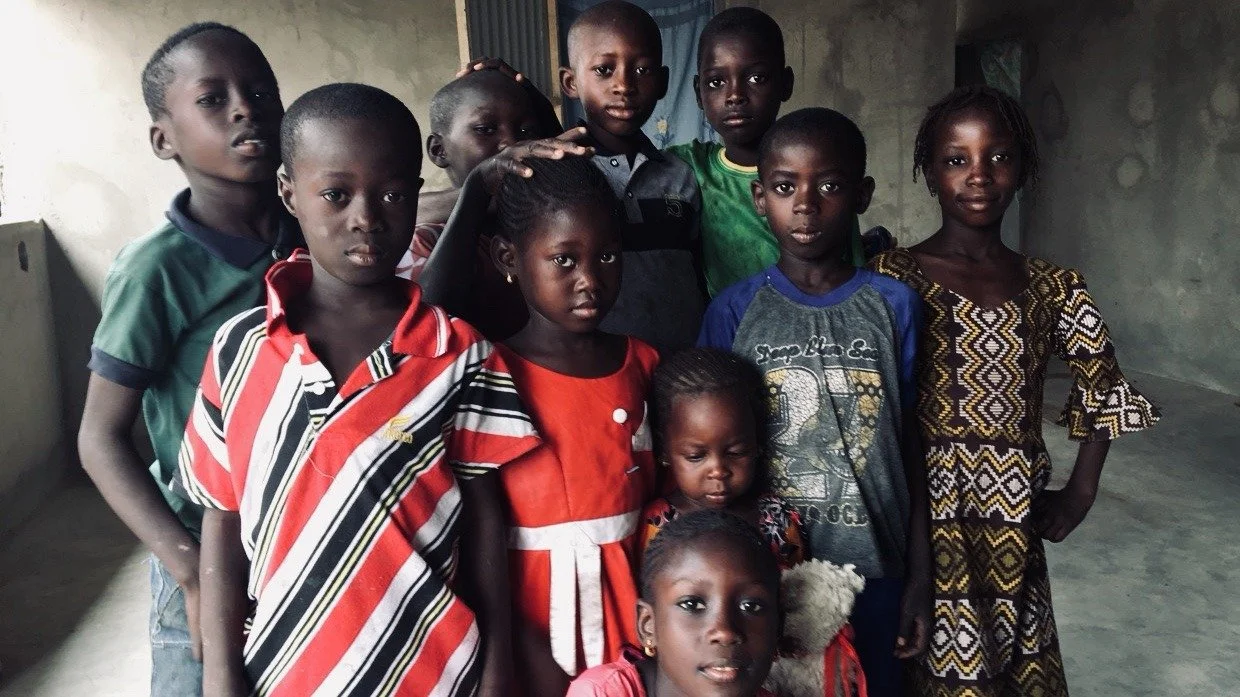
In Senegal, the path to academic success is frequently blocked not by a lack of ambition, but by the physical toll of preventable illness. For students at Ndiokhop, Martin, and Santhioum schools, the "learning crisis" is inextricably linked to a health crisis: chronic malnutrition, seasonal malaria, and a lack of clean water create a cycle of absenteeism and cognitive fatigue that makes consistent study nearly impossible. By addressing these health barriers directly within the school environment—through nutritional support, malaria prevention, and improved sanitation—we can transform the classroom from a place of struggle into a space where children are physically empowered to reach their full potential.
Critical Health Challenges for Students
Across these specific sites, three major health "stoppers" prevent children from learning:
Malnutrition & Anemia: Nationally, 60% of children under 5 are anemic, and this often persists into school age. In schools like Ndiokhop and Santhioum, "learning poverty" is often worsened by iron and zinc deficiencies, which cause fatigue and reduced cognitive focus.
Water, Sanitation, and Hygiene (WASH): Approximately 52% of the population lacks access to improved sanitation. In rural schools, the lack of clean latrines is the #1 reason girls drop out or miss school during their menstrual cycles.
The Malaria Cycle: Malaria remains the top cause of school absenteeism. A single bout of malaria can cause a student to miss 1–2 weeks of school, and without preventative bed nets, children in coastal areas like Kayar are reinfected multiple times a year.
Our organization adopted a holistic approach to community development by integrating essential health services with comprehensive literacy and vocational programs. To ensure these resources are sustainable and easily accessible, support services were offered for the well-being and economic independence of rural populations.
Our key initiatives:
Comprehensive Healthcare: Birthing clinics and nurse-led medical stations have provided critical maternal care and primary health services.
Essential Infrastructure: Installation of deep-water wells and modern sanitation facilities provided supply of clean water and improve community hygiene.
Vocational Empowerment: Specialized training programs, such as professional sewing centers, equipped adults and youth with the skills necessary to generate sustainable household income.
Environmental Stewardship: Large-scale tree-planting initiatives were designed to combat desertification and improve local food security.
Social Protection: Donation support to orphanages so they may provide a safe, nurturing environment and educational pathway for vulnerable children. IN ST MARTEN ORPHANAGE, WORKED WITH THEM ALSO
By addressing these core pillars—Health, Education, and Environment—we have supported the creation of a more resilient ecosystem where rural communities can transition from basic survival to long-term prosperity.
Your single click can bridge the gap between a child's potential and their future—press the button below to provide the life-saving health and quality education every student in Senegal deserves.
Health and Education in Senegal is a 501c3 non-profit organization.