
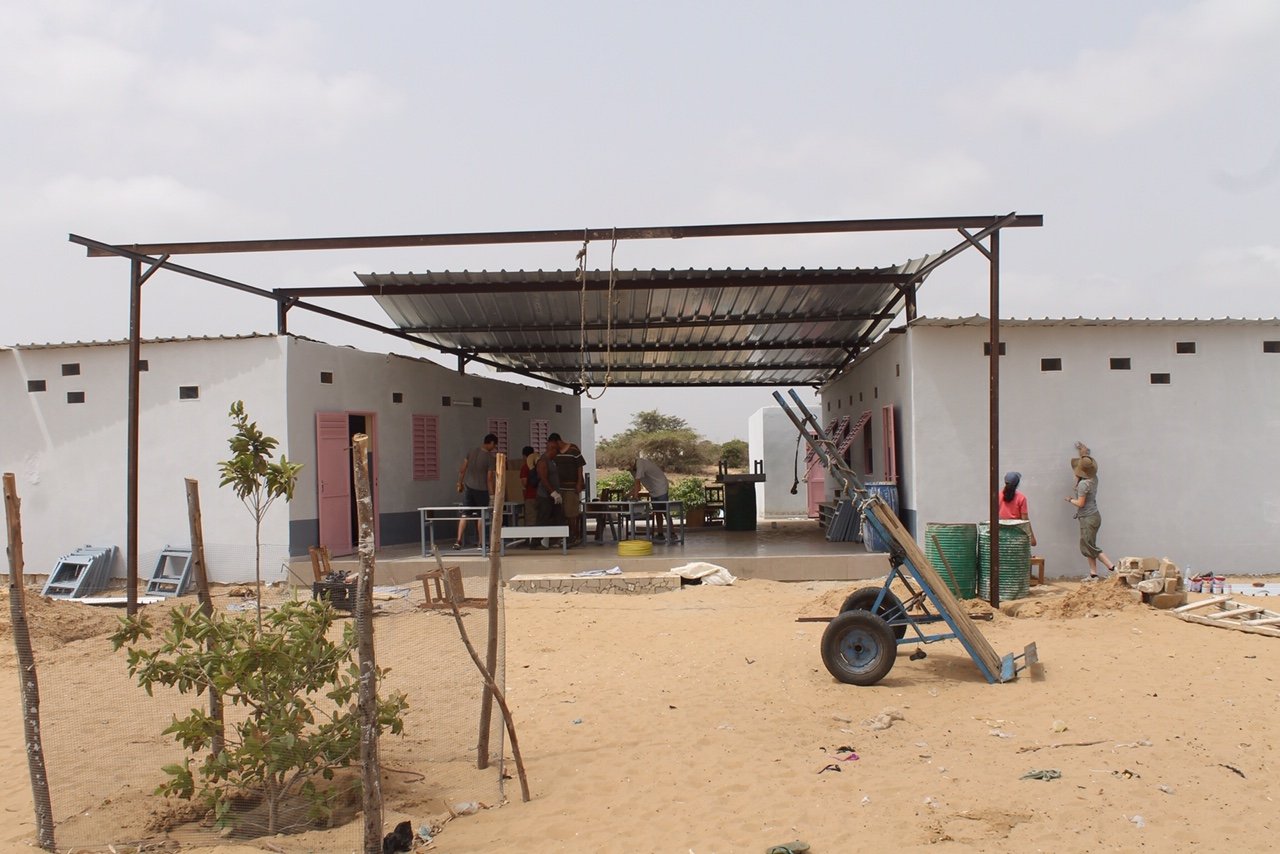
Education in Senegal continues to face a severe learning crisis.
Like many of its neighbors, Senegal is grappling with a severe learning crisis. According to data from the World Bank and UNESCO, 69% of 10-year-olds suffer from "learning poverty"—the inability to read and understand a basic, age-appropriate text and 43% of the population is under the age of 15. Although the government allocates nearly 22-25% of its total budget to the sector—the sheer scale of the population needs often outpace its resources.
While the number of out-of-school children contributes to this figure, the primary drivers are the number of schools and the low quality of classroom instruction: an estimated 83% of children currently enrolled in primary school are still failing to meet fundamental literacy benchmarks. In addition, class sizes can swell significantly, with some urban primary schools reporting ratios as high as 52:1. Conversely, rural areas may have lower ratios (around 31:1) but often struggle with a severe shortage of trained teachers and adequate infrastructure.
To address student to teacher ratio’s, Health and Education in Senegal, has successfully built 4 schools. This has significantly supported the increase in overall enrollment to an estimated 82.6% in primary school, 45.5% in secondary school, and 17.3% in tertiary/university school.
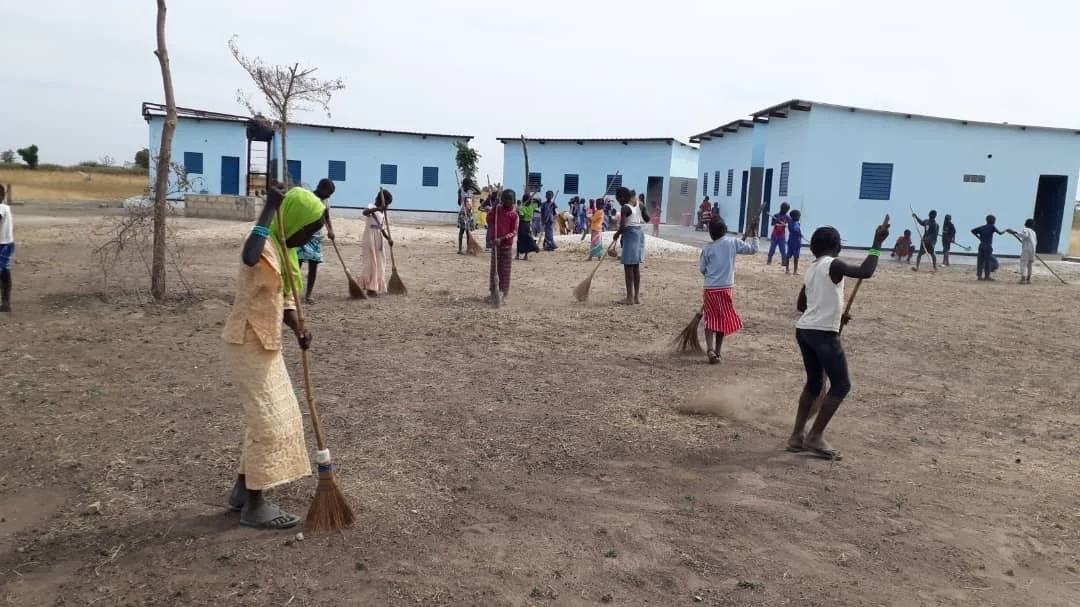
The addition of education infrastructure has made a profound demographic shift, as families increasingly migrate toward these educational hubs. In some regions, the population has experienced an 80-fold increase, transforming these sites into vibrant centers of gravity. By evolving into multi-generational community anchors, the schools have become vital spaces for collective learning and professional networking, effectively revitalizing the social and economic fabric of the entire region.
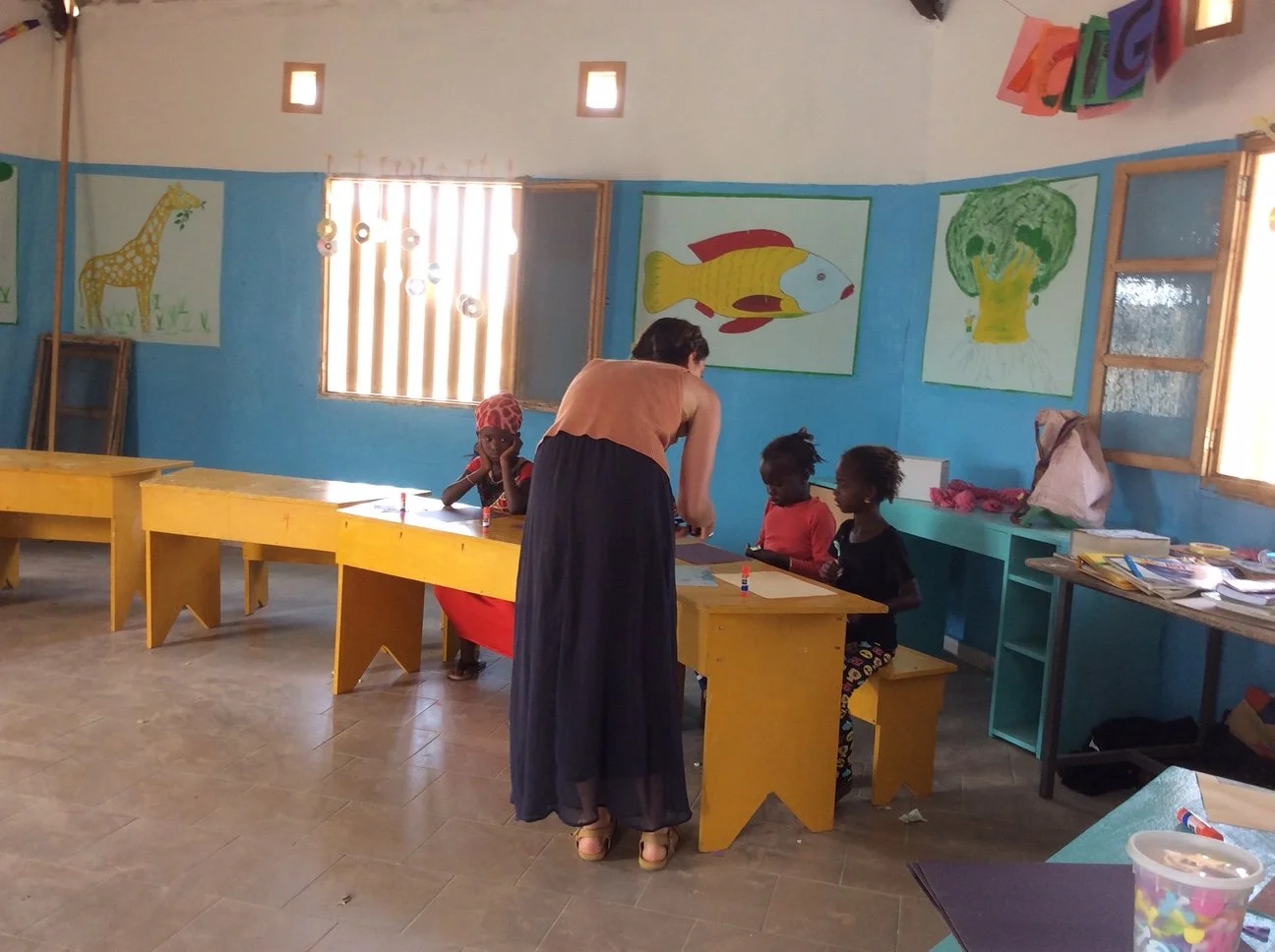
Schooling does not imply learning, but lack of learning increases the likelihood of dropping out of school. Learning poverty is one of the factors contributing to low educational attainment. To secure the country’s future, it is imperative to move beyond mere infrastructure and enrollment, to focus on improving the quality of education provided within schools.
In a classroom at Ndiokhop, fifty children sit shoulder-to-shoulder, their eyes bright with a potential that the world cannot afford to waste. These children are the future stewards of Senegal’s shores, yet for many, the dream of an education is constantly at risk of being pulled out to sea by the demands of survival.
When a ten-year-old boy leaves his desk for a fishing pirogue because his school lacks the resources to keep him engaged, we lose more than a student—we lose the promise of a leader.
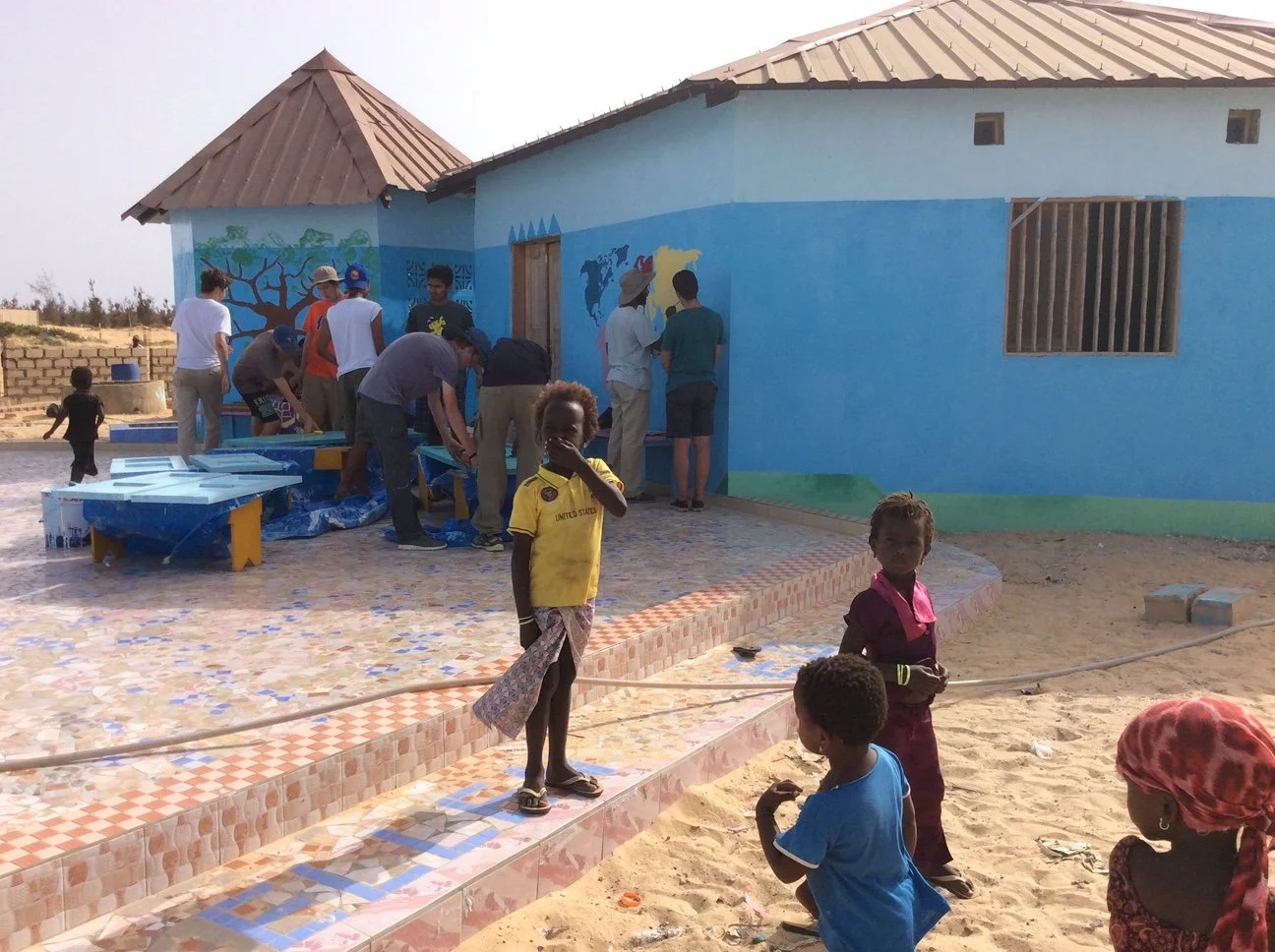
Investing in Senegal is the bridge between a child’s struggle and their success; it provides the sturdy walls, the trained teachers, and the hope that literacy will finally outweigh poverty. Together we have begun to rewrite the story for the children of Senegal, because the gifts received to date are not just a donation—it is the spark that transforms a crowded room into a gateway for a lifetime of opportunity.
In Senegal, financial contributions stretch significantly further than in many other parts of the world. By targeting specific needs in communities like Kayar, we have been able to provide life-saving health interventions or the tools for lifelong literacy.
Your single donation can bridge the gap between a child's potential and their future—press the link below to provide the life-saving health and quality education every student in Senegal deserves.
Health and Education in Senegal is a 501c3 non-profit organization.